
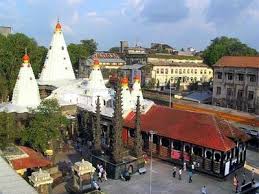
Kolhapur
It is one of the best places to explore the splendor and magnificence of India.
It is one of the best places to explore the splendor and magnificence of India. Kolhapur is about 387 km from the Mumbai, the financial capital of India and is famous for the Indian handcrafted leather slippers the kolhapuri chappals and its unique local jewelry a special type of necklace called Kolhapuri Saaj.
Kolhapur, an epitome of beauty and richness in the Indian state of Maharashtra, stands tall as one of the most significant cities in South Maharashtra. With its rich cultural heritage, this city has been a hub of historical, religious, and cultural activities for centuries. Its historic significance can be traced back to the 1st century BC and continues to amaze visitors with its intricate carvings and magnificent temples. Kolhapur is famous for its unique food culture, including its signature Kolhapuri cuisine, that tantalizes the taste buds of locals and tourists alike. Sports, arts and local dialects also play a major role in defining the identity of the city, making it a true representation of diversity and unity. The city is situated in the western part of Maharashtra and is often referred to as "Dakshin Kashi" or "Mahateerth". It boasts a rich history, which has given it various other names, including Kollagiri, Kolladigiripattan and Kollpur, all meaning "valley" Around 2 C.E. Kolhapur's name was 'Kuntal'.
Kolhapur is named after Kolhasur, a demon in Hindu History.According to legend, the demon Kolhasur renounced asceticism after his sons were killed by the gods for harassing people. He prayed to Mahalakshmi, requesting that she leave the area to him for a hundred years. He committed numerous crimes during this period until the goddess returned after the hundred years were over and killed him for his sins.Kolhasur's dying wish was to name the place after him, a request granted, and the area was named Kolhapur. 'Kolha' represents Kolhasur, and 'pur,' a Sanskrit word, means 'city.'
Stone inscriptions from the Shilahar kingdom, which ruled this region from 8-12 C.A.D., mention this area as 'kshullakpur' (the first stage of Jain monkhood) and 'Kalapuri,' a city with beautifully carved temples. This historical information is preserved in Shilahar-era ancient Jain matha and temples near the Ambabai temple.
The Shilahara family founded a dynasty at Kolhapur about the time of the downfall of the Rashtrakuta Empire, that ruled over southern Maharashtra including the modern districts of Satara, Kolhapur and Belagavi (Karnataka). Their family deity was the goddess Ambabai, whose blessing they claimed to have secured in their copperplate grants (Mahalakshmi-labdha-vara-prasada). Like their relatives of the northern branch of Konkan, the Shilaharas of Kolhapur claimed to be of the lineage of Vidyadhara Jimutavahana, a Jain scholar. Their banner featured a golden Garuda. One of the many titles used by the Shilaharas was Tagarapuravaradhisvara, supreme sovereign ruler of Tagara.