

India is home to a rich diversity of cattle breeds, each with its own unique characteristics and significance. Here’s a glimpse into the different types of cows found across the country:
- Gir Cattle: Originating from the Gir forest region in Gujarat, Gir cattle are known for their distinctive appearance with a reddish-brown coat. They are well-adapted to hot climates and are valued for their high milk production.
- Sahiwal Cattle: Hailing from the Punjab region, Sahiwal cows are known for their heat tolerance and resistance to various diseases. They have a reddish-brown coat and are prized for their quality milk production.
- Red Sindhi Cattle: As the name suggests, Red Sindhi cows come from the Sindh region and are well-suited to tropical climates. They are recognized for their hardiness and adaptability.
- Tharparkar Cattle: Indigenous to Rajasthan, Tharparkar cows are characterized by their white or light gray coat. They are highly resilient to drought conditions and are valued for both milk and draught purposes.
- Deoni Cattle: Deoni cows are native to Maharashtra and Karnataka. They are dual-purpose cattle, known for both milk and draught capabilities. They have a distinctive gray coat.
- Kankrej Cattle: Originating from the Kutch region of Gujarat, Kankrej cows are well-known for their strength and resilience. They have a silver-gray coat and are used for milk, draught, and agricultural purposes.
- Ongole Cattle: Also known as the Nellore breed, Ongole cows come from Andhra Pradesh. They are highly adapted to hot and humid conditions and are favored for their draught qualities.
- Vechur Cattle: Vechur cows are a small-sized breed found in Kerala. They are known for their diminutive stature and high milk yield relative to their size.
These breeds represent just a glimpse of the diverse range of cows found in India, each playing a vital role in the country’s agricultural landscape and cultural heritage. Whether for milk production, draught power, or adaptation to local environments, these cows are integral to the lives and livelihoods of many communities across India.
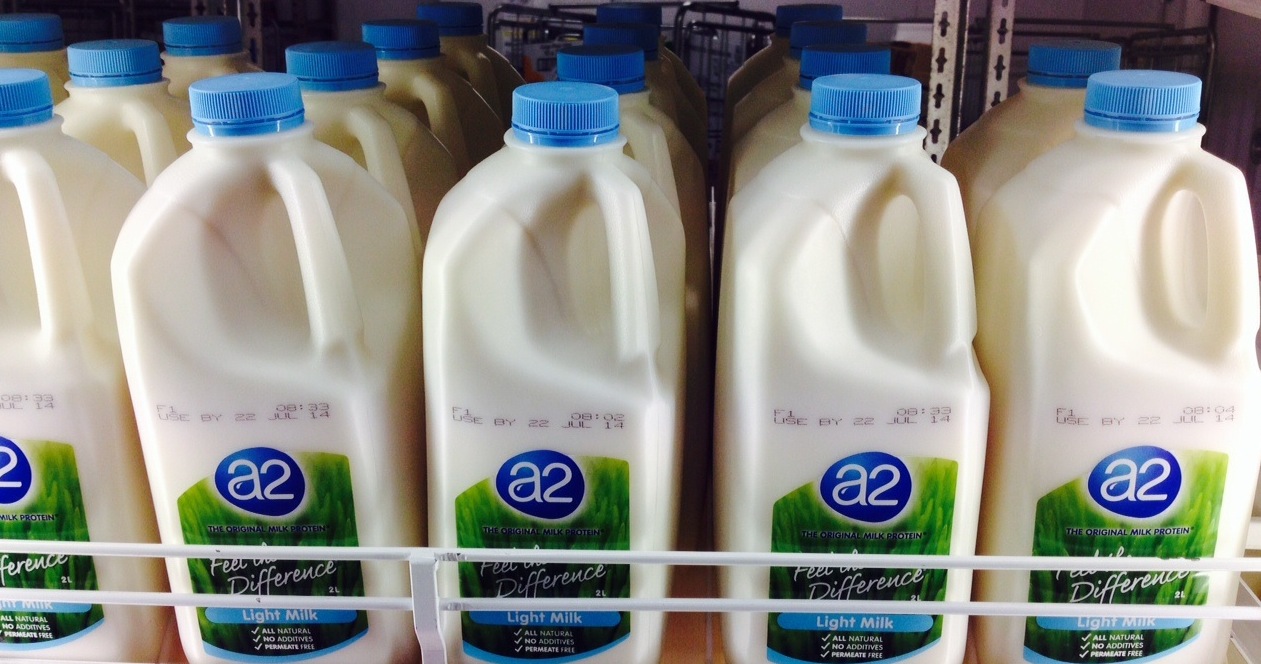
The A2 Cow: Understanding its Significance
In recent years, there has been growing interest and appreciation for the A2 cow, particularly in the context of dairy farming and health consciousness. Let’s delve into what makes the A2 cow unique and why it has garnered attention.
What is an A2 Cow?
The A2 cow refers to a specific type of cattle that produces milk containing only the A2 type of beta-casein protein. This is in contrast to the more common A1 beta-casein protein found in the milk of many dairy cows worldwide.
Health Benefits
Proponents of A2 milk claim that it may be easier to digest and less likely to cause certain digestive issues compared to A1 milk. Some individuals who experience discomfort with regular milk consumption report feeling better when they switch to A2 milk. However, more scientific research is needed to conclusively support these claims.
Cultural and Traditional Significance
In regions like India, certain indigenous cattle breeds naturally produce A2 milk. These breeds, such as Gir and Sahiwal cows, have been traditionally revered and valued for their milk quality and overall hardiness.
Rising Popularity
As awareness about A2 milk grows, farmers and consumers are showing increased interest in A2-producing cattle breeds. This has led to efforts to preserve and promote these traditional breeds, which were at risk of decline due to the dominance of high-yielding but less diverse dairy breeds.
Conclusion
The A2 cow and its milk represent a fascinating intersection of cultural heritage, agricultural sustainability, and health considerations. While more research is needed to fully understand its benefits, the resurgence of interest in A2 milk underscores the importance of preserving diverse cattle breeds and exploring alternatives in the dairy industry.
Whether you’re a dairy enthusiast, health-conscious consumer, or simply curious about agricultural diversity, the A2 cow is a topic worth exploring further for its potential impact on both farming practices and human nutrition.